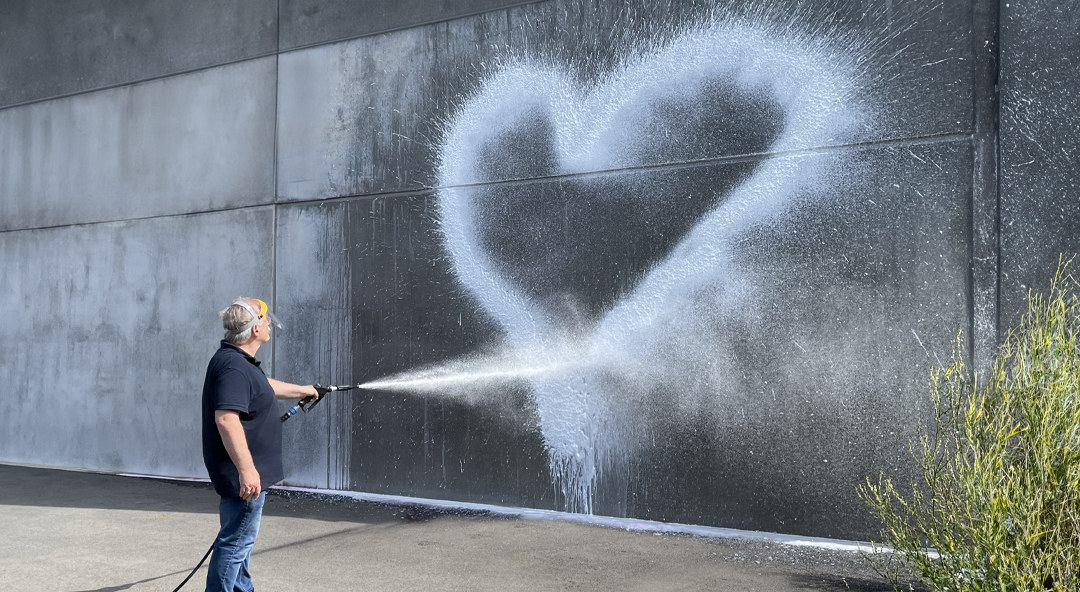
In professional high-pressure cleaning, every detail matters. What may seem like a simple cleaning task often hides numerous pitfalls that can jeopardize the success of a project. Avoidable mistakes in professional high-pressure cleaning not only cost time and money – they also undermine client trust. Those who continuously analyze and improve their methods stand out clearly in an increasingly competitive market.
The market for high-pressure cleaning is booming: across Europe, commercial and industrial buildings must be cleaned regularly. With rising demand comes an influx of new providers – often with varying skill levels. Competition is intensifying, and quality issues from a few operators can damage the reputation of the entire industry.
For established companies, this means one thing: quality matters more than ever. Professional service providers can distinguish themselves through precise work, transparent communication, and long-term client relationships. A structured approach to error prevention is a decisive factor for success.
Streaks on glass, powder-coated aluminum, or facade panels are among the most frequent client complaints. They often occur due to insufficient rinsing, leftover detergents, or poor water quality. Even minor imperfections can leave clients dissatisfied – even if the cleaning itself was technically successful.
The solution is simple but effective: after the main cleaning, rinse all surfaces thoroughly with demineralized water. In addition, specialized neutralizing products can remove crystalline deposits. This ensures an optically flawless result – essential for preserving the appearance and value of modern buildings.
One of the most common and damaging mistakes is using too much pressure or cleaning from too close a distance. This can damage coatings, sealants, or entire facades, break windows, and even harm surrounding areas such as vehicles, plants, or technical installations.
The Soft-Wash technique uses low-pressure nozzles and biodegradable detergents to clean delicate surfaces gently. It is especially suitable for roofs, wood, aluminum, or sensitive facades. For older materials such as porous concrete, higher pressure may still be needed – in these cases, the cleaning method must be adjusted precisely.
Even with the highest level of care, mistakes can happen. What matters most is not the mistake itself but how it is handled. Clients are often less upset by a problem than by poor communication afterward. A transparent discussion, quick solutions, and a sincere tone can make all the difference.
Taking responsibility demonstrates professionalism. Offering goodwill and transparent communication builds trust and often leads to long-term client relationships. Many companies report that clients have stayed loyal even after an issue — precisely because of honest and solution-oriented handling.
Regular checks during and after cleaning help prevent rework and increase client satisfaction. Checklists, photo documentation, and post-cleaning feedback meetings ensure consistent results and traceability.
Cleaning teams should receive continuous training — not only in technology but also in client communication and environmental awareness. Education strengthens expertise, improves efficiency, and reduces the risk of operator errors.
Clear communication is invaluable. Setting expectations about risks, methods, and timelines during the quoting process prevents misunderstandings. After completion, a structured feedback process helps measure satisfaction and identify areas for improvement.
Professional high-pressure cleaning thrives on client trust. Those who identify and avoid common mistakes — and handle problems openly — build the foundation for long-term business relationships. Quality, transparency, and a willingness to learn are the keys to lasting success in a growing yet demanding industry.
1. What are the most common client complaints after high-pressure cleaning?
The most frequent issues involve visible defects such as streaks, leftover residue, or surface damage. Poor communication before or after the job is another common source of dissatisfaction, even when the cleaning itself was technically correct.
2. Why isn’t plain water enough to prevent streaks?
Tap water contains minerals that leave residues when drying, creating streaks and spots. Demineralized water or a dedicated rinse aid prevents these marks and ensures a flawless finish.
3. Is Soft-Washing really as effective as high-pressure cleaning?
Yes — provided the correct detergent and dwell time are used. The Soft-Wash method is especially effective against organic contamination (algae, mold, etc.) and significantly reduces the risk of surface damage.
4. How can new employees be trained quickly and effectively?
Use a combination of practical demonstrations, visual guides, and checklists. Supervising new staff during their first projects and encouraging mentorship by experienced workers promotes safe, high-quality practices.
5. How should I communicate professionally with clients when issues arise?
Openness, honesty, and a solution-focused attitude are key. A professional response — including apology, corrective action, and follow-up — builds trust and demonstrates accountability.
6. Which surfaces are most sensitive to high pressure?
Wood, plaster, aluminum, aged paint coatings, and coated glass are particularly delicate. Always use reduced pressure, maintain sufficient distance, and conduct preliminary tests in inconspicuous areas.
| Mistake | Impact | Professional Solution |
| Streaks on glass or aluminum | Dissatisfied clients, rework | Rinse with demineralized water, apply neutralizing rinse agent |
| Excessive water pressure | Facade damage, window breakage, paint peeling | Use Soft-Wash method, adjust pressure, test first |
| No post-job discussion | Miscommunication, negative feedback | Conduct client walkthrough and final inspection |
| Poor staff training | Handling errors, material damage | Internal training, mentorship, onboarding plans |
| Unsuitable detergents | Material discoloration, environmental risk | Use certified products, verify data sheets |
| Ignoring complaints | Client loss, reputation damage | Admit fault, offer solutions, document resolution |