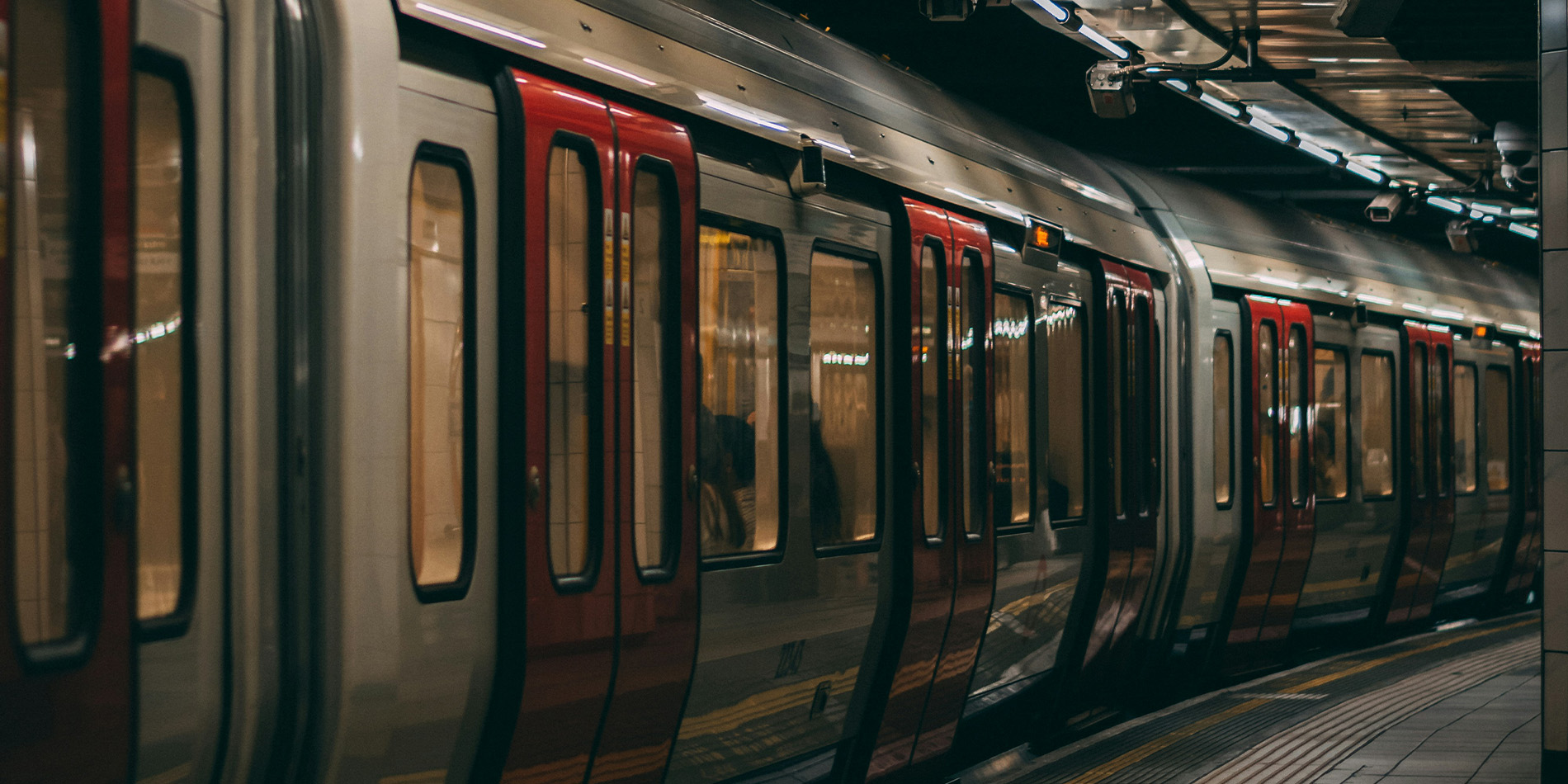
A railway washing system (also known as a train wash plant) is a specialized industrial cleaning facility for the exterior and interior cleaning of rail vehicles such as high-speed trains (ICE), regional trains, commuter rail, and trams. Modern train wash systems combine mechanical brush systems, high-pressure water technology with rotating nozzles, and chemical cleaning stages (acidic, alkaline, clear rinse) for complete vehicle cleaning — including the roof area, undercarriage, and interior.
Effectively cleaning rail vehicles is highly complex due to their dimensions and aerodynamic shapes. The key consideration here is the “critical problem zones” that often pose challenges for conventional brush-based wash systems.
In areas where brushes fail due to vehicle contours or would need to apply excessive pressure, high-pressure systems with rotating nozzles are deployed.
A key factor in cleaning quality and operating costs is how the cleaning chemicals are applied to the vehicle.
Although many systems rely on simple spray arches, foam application (as an alternative or supplement) offers significant advantages:
System Planning and Sustainability
During the planning phase, the choice must be made between drive-through wash systems (high throughput) and stationary/semi-stationary systems (small footprint).
Washing Under Live Voltage
A unique aspect of railway operations is washing under overhead lines. If the train is to be washed with the pantograph raised, the system must be specially insulated. Split brushes exclude the overhead line area to prevent short circuits.
Water Treatment
Modern systems are closed-loop systems. Using multi-layer filters, activated carbon, and ion exchangers, up to 70% of the wash water is recovered. Since trains consume approximately 40 liters of water per meter, this is the most significant lever for reducing operating costs.
Interior Cleaning and Odor Elimination
Interior cleaning typically takes place under extreme time pressure (e.g., turnaround cleaning in 10–20 minutes). While waste removal and contact surface cleaning are standard, odor neutralization in passenger compartments, restrooms, and air conditioning systems is the greatest qualitative challenge.
This is where cold fogging devices come into play, offering a highly efficient solution for odor problems and disinfection:
What is a train wash system?
A train wash system is an industrial facility for the automated cleaning of rail vehicles (trains, commuter rail, trams). It combines mechanical brushes, high-pressure nozzles, and chemical stages (pre-wash, main wash, clear rinse) for complete exterior cleaning. Separate systems handle interior cleaning using cold fogging devices for odor neutralization.
How much water does a train wash system use?
Modern train wash systems consume approximately 40 liters of water per meter of train length. Through closed-loop systems with multi-layer filters, activated carbon, and ion exchangers, up to 70% of the wash water is recovered and reused — the most important lever for reducing operating costs.
Why is foam better than liquid cleaners for train washing?
Liquid cleaners quickly run off the smooth paint surface, while foam adheres firmly to the vehicle surface. The extended contact time makes it possible to reduce the concentration of active agents — saving both chemicals and water. Especially for insect residue on the front section or baked-on brake dust, foam pre-soaking is significantly more effective than brush washing alone.
Can a train be washed under live overhead line voltage?
Yes, but only with specially designed systems. These must be electrically insulated to prevent short circuits. Split brush systems automatically exclude the overhead line area. The train can enter the system with the pantograph raised.
What is cold fogging technology in train interior cleaning?
Cold fogging devices produce an ultra-fine mist (“dry fogging”) that is distributed throughout the entire car via the onboard air conditioning system. It neutralizes odors, binds allergens, and disinfects — without wetting surfaces or electronics. In railway depots, compressed-air-powered variants are preferred, as compressed air is widely available there and these devices require less maintenance than electric models.
What are the critical problem zones when cleaning rail vehicles?
The three main problem zones are:
What chemical cleaning stages does a train wash system use?
Modern train wash systems use a three-stage chemical system: